PhC Lives Online
Role
Designer
Industry
Art
Duration
3 Weeks
Client
PhC CapalbioFotografia
Year
2020
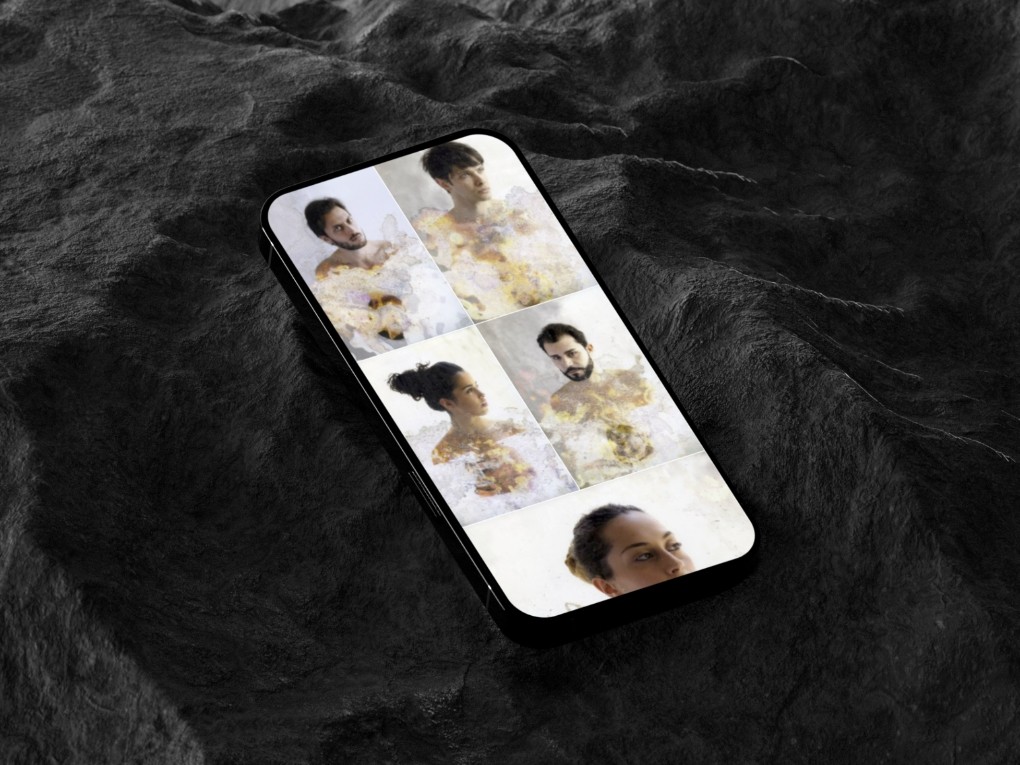
Designing a website for an international photography festival requires more than just functional design; it involves translating the essence of the event into a digital experience. For the PhC CapalbioFotografia festival, which has a history spanning over fifteen years and is rooted in the Tuscan landscape of Capalbio, the challenge was to create an online space that could convey the weight of that artistic legacy while remaining accessible, intuitive and visually engaging.
Concept and vision
The central design principle was balance: between image and text; between documentary clarity and aesthetic immersion; and between the festival's intimate regional identity and its international reach. The website had to evoke the experience of walking into the festival itself, offering a sense of quiet discovery where each scroll reveals something worth pausing over.
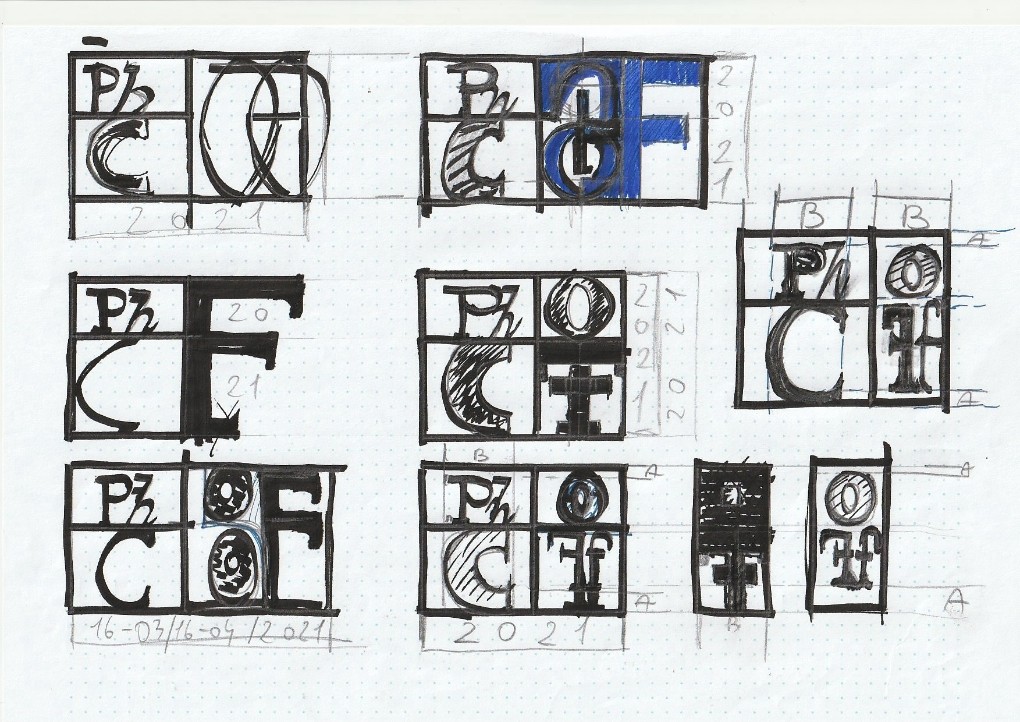
Rather than relying on conventional photography website templates, the design draws on editorial and print traditions to reflect the festival's deep connection to photobook culture and the physical nature of the medium. Typography and white space are treated as compositional elements, not just containers for content.
Visual Language
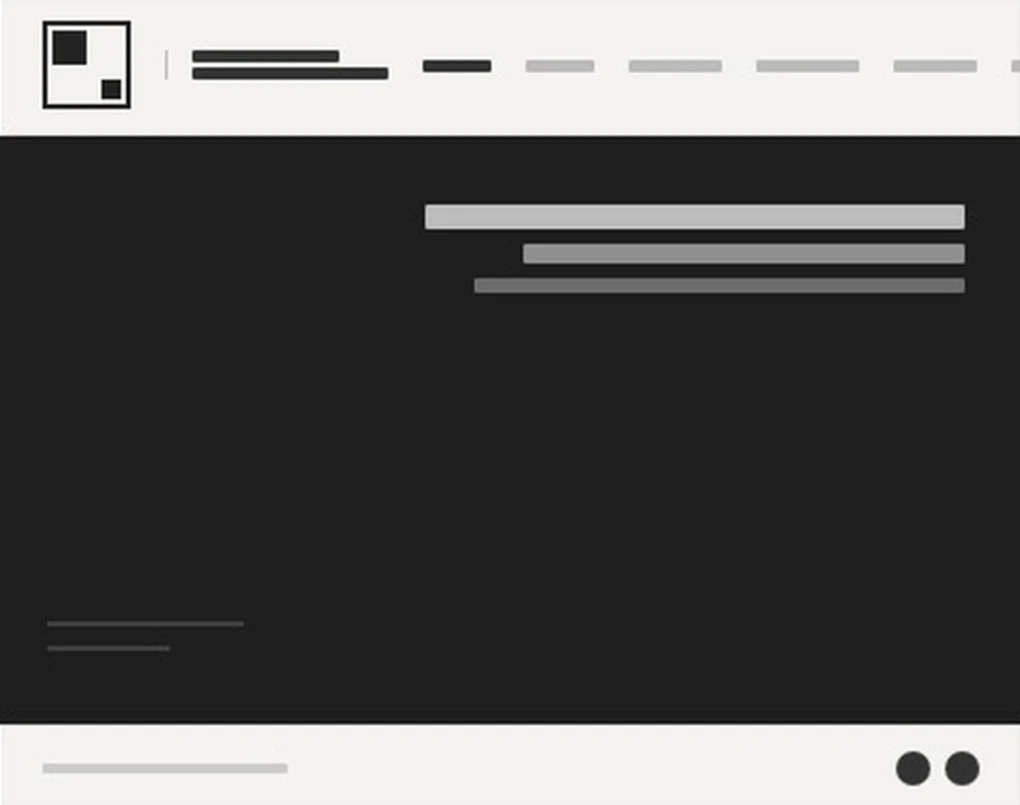
The visual system is built around photography as the primary means of communication. Large-format images anchor each section, while a restrained typographic palette — combining a humanist serif for headings with a neutral body typeface — ensures legibility without distracting from the displayed work. The colour system is deliberately minimal: neutral backgrounds allow the photographers' work to speak for itself, while subtle tonal shifts between sections create rhythm and hierarchy.
User Experience & Navigation
Navigation is designed around how festival visitors naturally think: by artist, by year, by exhibition and by location. The architecture prioritises discovery over consumption, encouraging visitors to move through the site as they would through an exhibition space: unhurriedly, with room to linger. Mobile responsiveness was approached as a parallel design challenge rather than an adaptation, with the handheld experience conceived independently to suit on-site visitors' real-time navigation of the programme.
Content strategy
The site caters for multiple audiences: collectors and curators seeking information about artists; local visitors planning their visit; the press and institutional partners; and the wider international photography community. Each content layer is structured to meet these needs without any conflicts of hierarchy — creating a clean information architecture that scales gracefully from a single exhibition page to a full retrospective archive spanning fifteen editions.
Outcome: the result is a digital presence that honours the festival's curatorial integrity while remaining warm and inviting to a general audience. The site functions as both a programme tool during the festival and a living archive throughout the year — a space where the work of Don McCullin, Graciela Iturbide, Anders Petersen and emerging off-section voices can coexist with equal dignity.