FoxFix
Role
Designer
Industry
Public Services / E-Government
Duration
4 Weeks
Client
Capstone Project
Year
2025
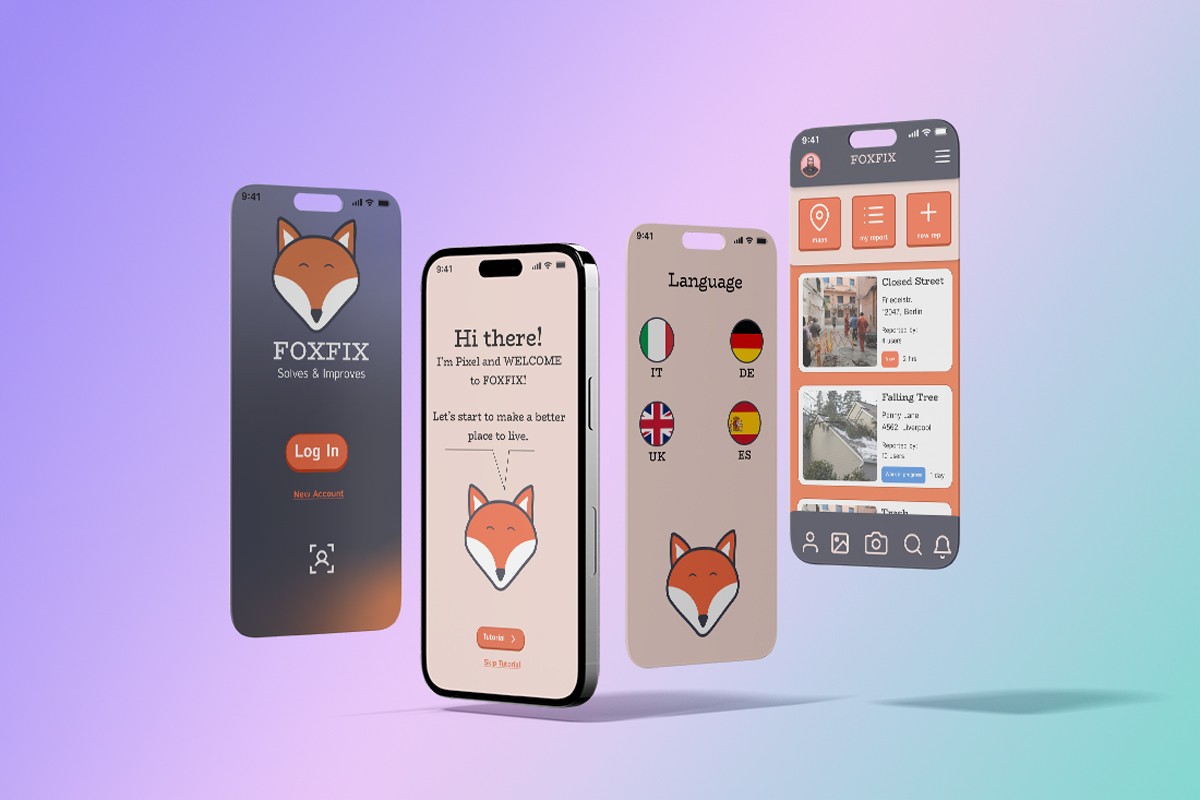
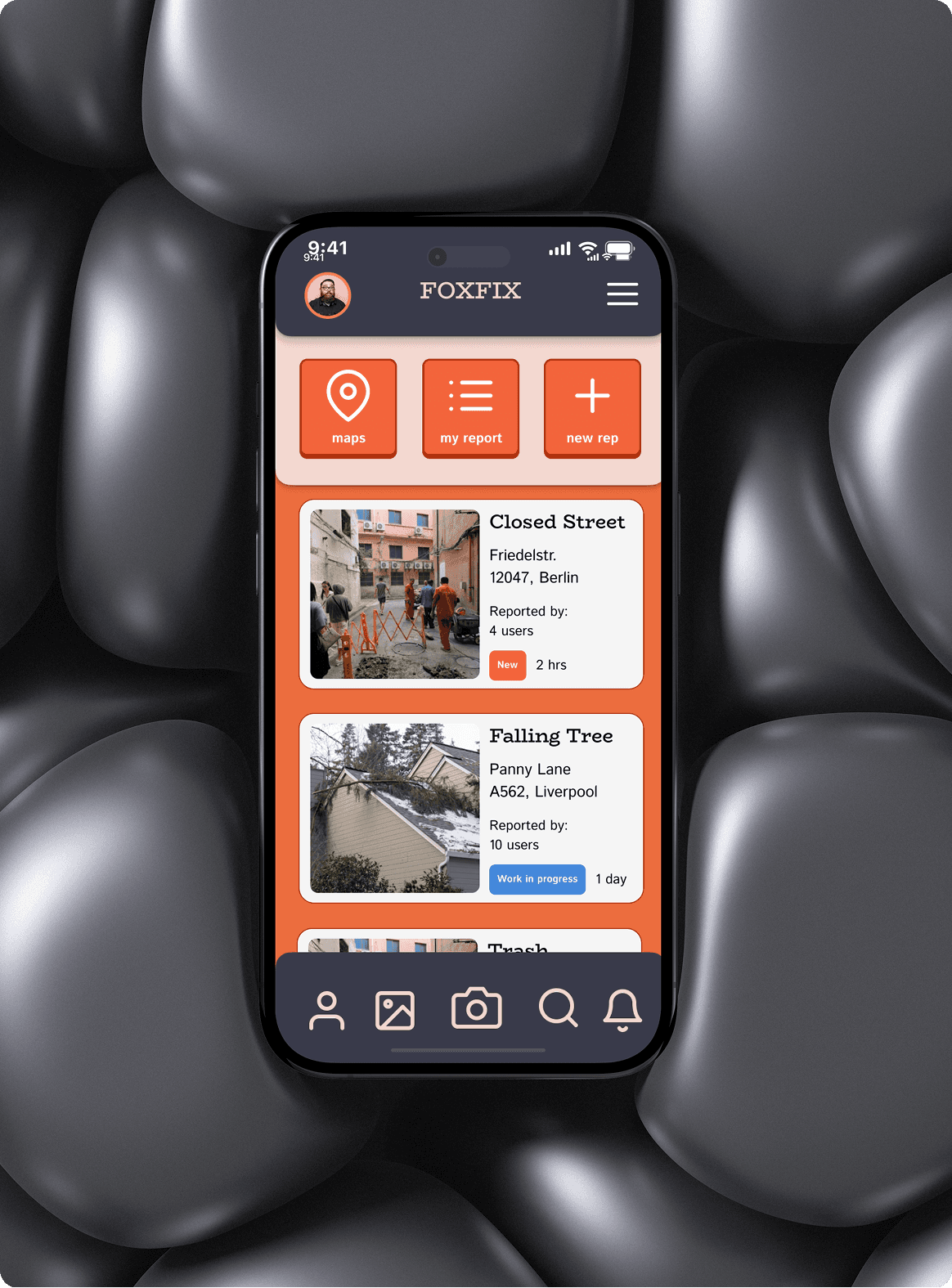
Designed to bridge the gap between citizens and local authorities, FoxFix is a mobile application that makes it quick and easy to report issues in public spaces, such as broken playground equipment, dangerous road conditions, fallen trees and hazardous waste in parks.
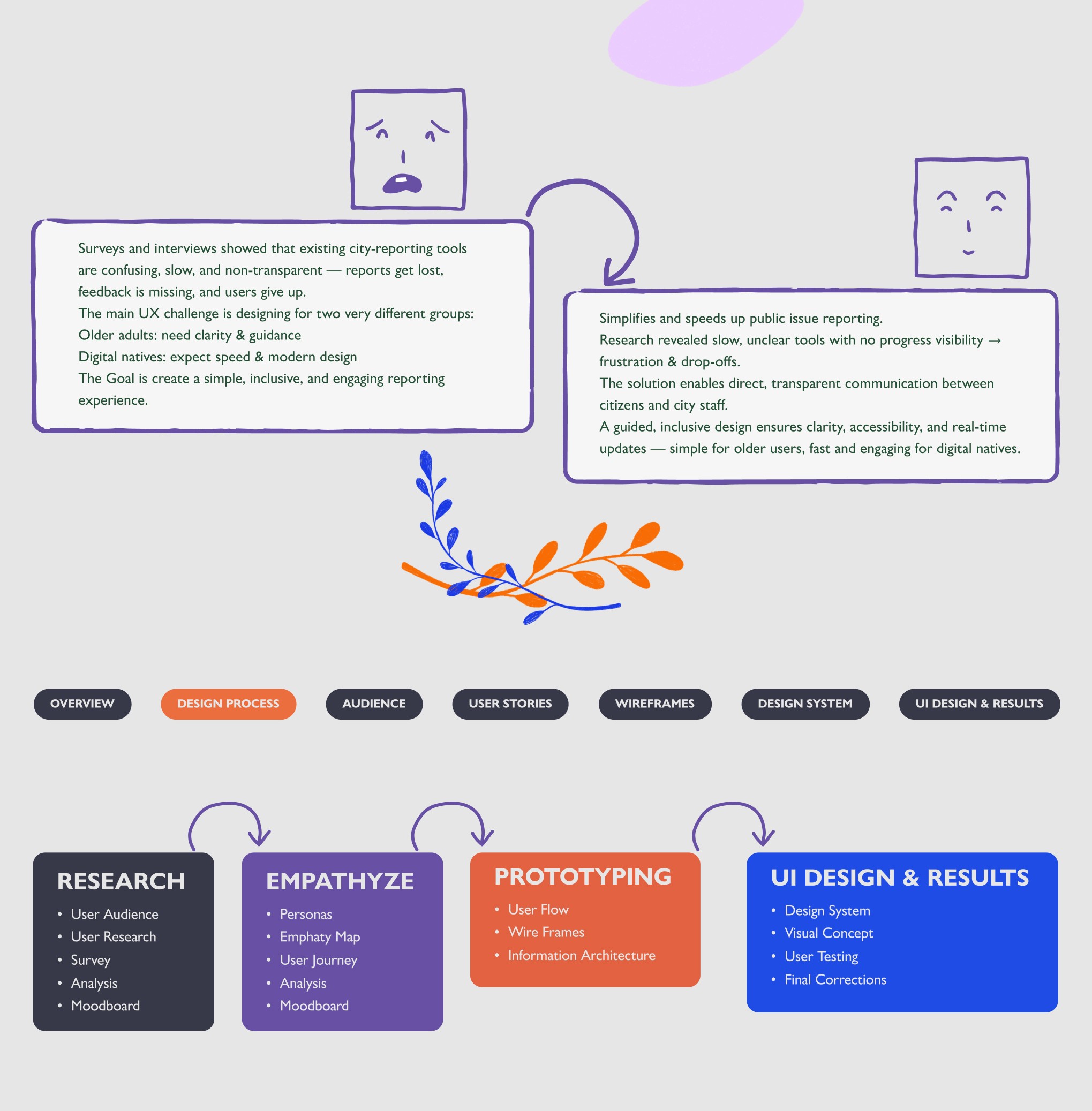
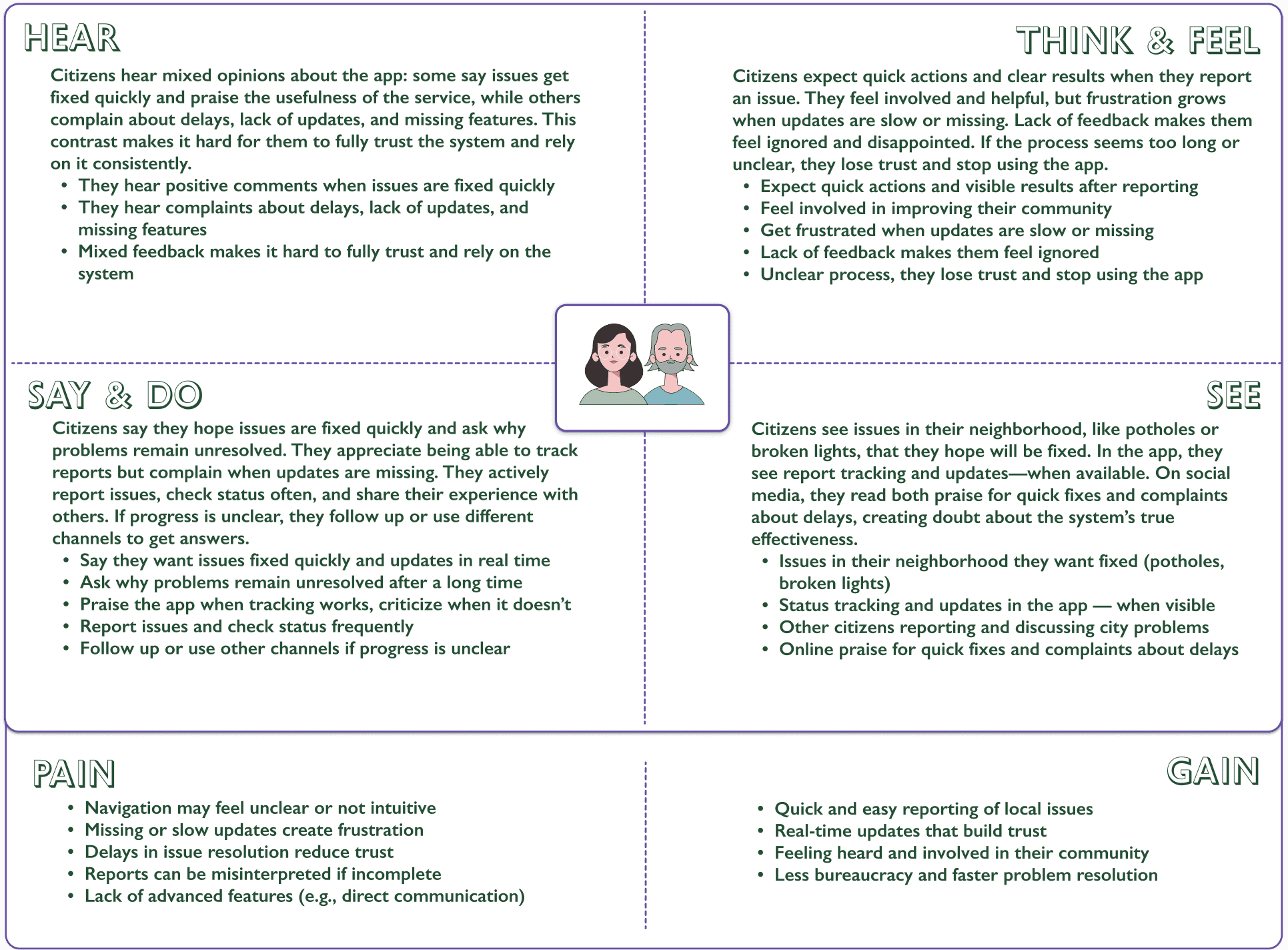
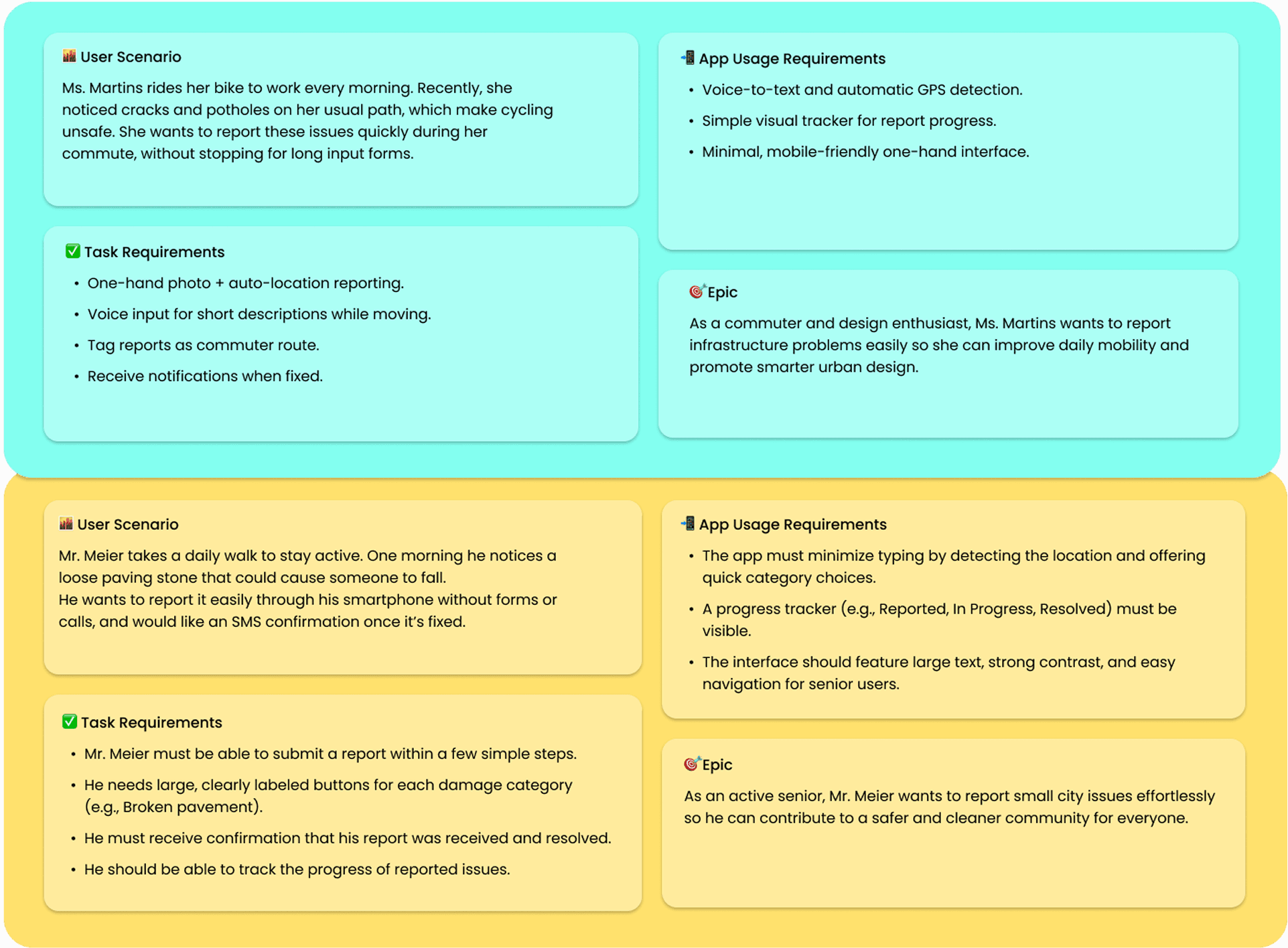
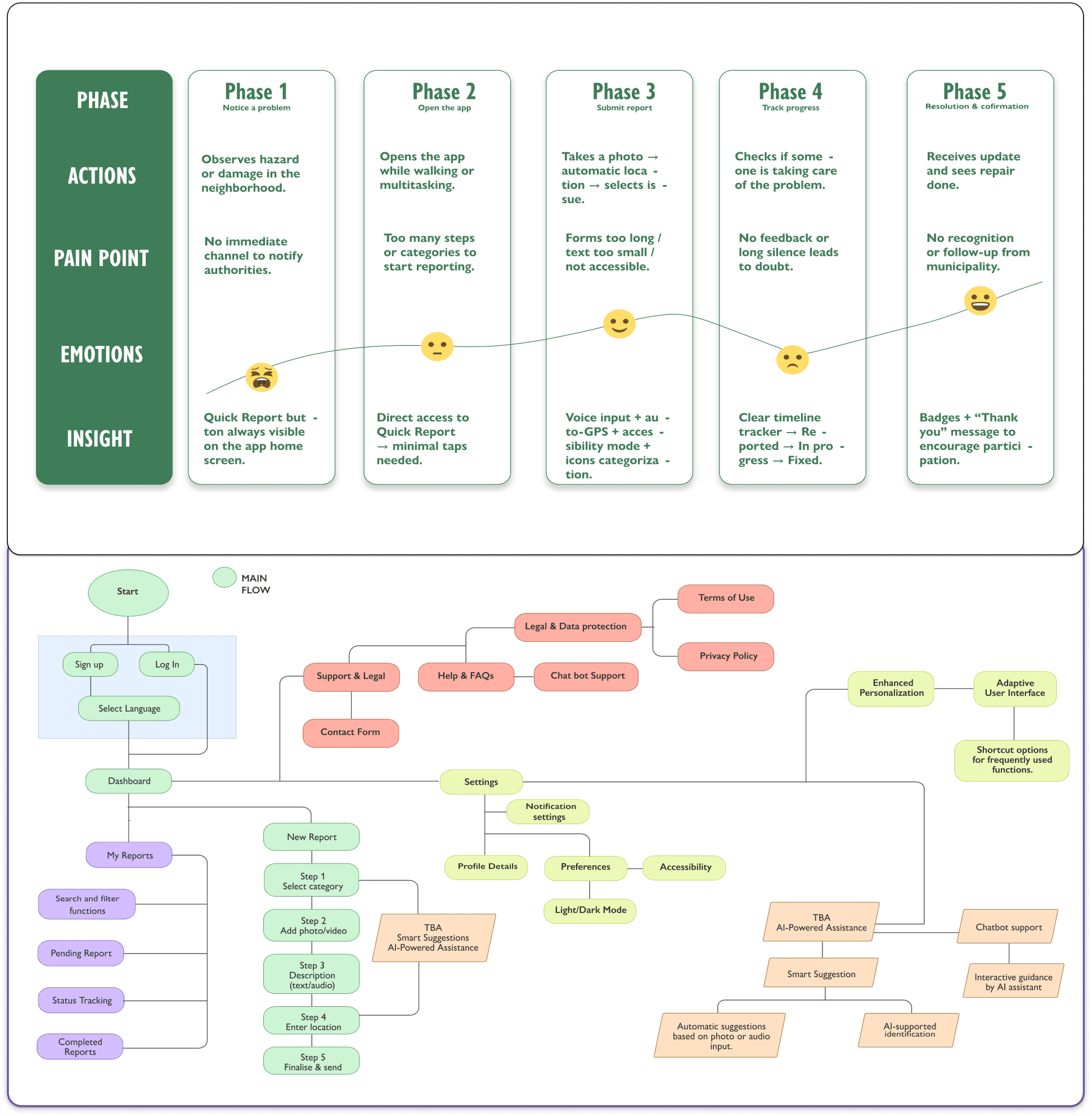
The project was developed following the ISO 9241-210 human-centred design process, grounding every decision in real user needs. The work began with a structured survey and evolved through empathy mapping, persona development, and user scenario analysis — building a clear picture of who the app is for and what it genuinely needs to do.
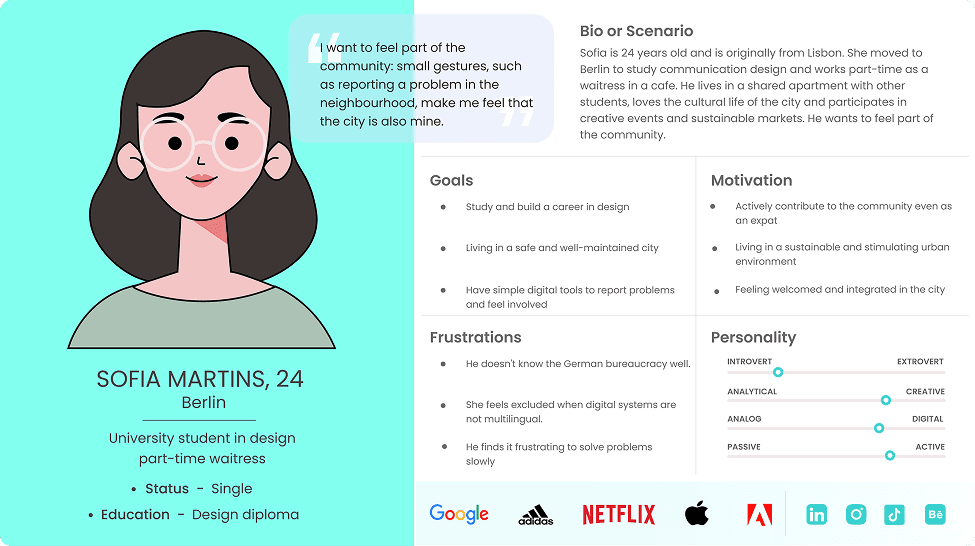
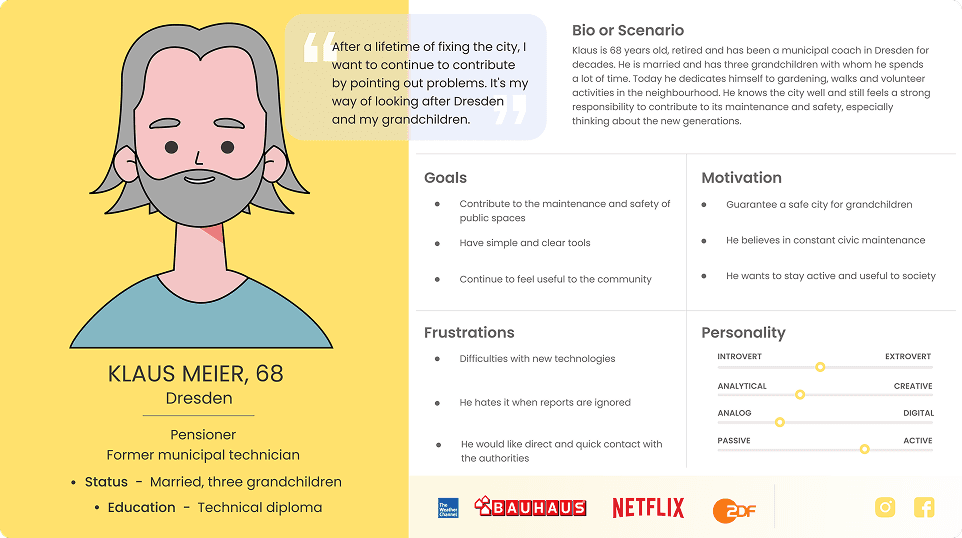
The target audience is citizens aged 24 to 70 who care about their city's liveability and want an easy way to report problems in public spaces.
Two personas informed the design direction. Sofia is a 24-year-old design student and part-time waitress living in Berlin. She wants to feel part of her community and believes that small civic gestures, such as reporting a problem in her neighbourhood, are a meaningful way to contribute. She needs an intuitive, modern interface that fits naturally into her digital life. Klaus is a 68-year-old retired municipal technician from Dresden who has spent his life maintaining the city and still feels responsible for its upkeep. He needs a tool that is simple, clear and reliable — one that confirms his reports have been received and acted upon.
Research and insights
Research was conducted via a user survey with 12 participants and empathy mapping.
The survey revealed five key insights that shaped the design direction.
Speed is everything. Users want to report an issue in under 30 seconds. Any friction, such as long forms, manual location input or unclear navigation, is a deal-breaker.
Confirmation builds trust. The biggest source of frustration for all user groups was reporting a problem and never receiving a response. A simple acknowledgement, such as 'Your report has been received', makes all the difference.
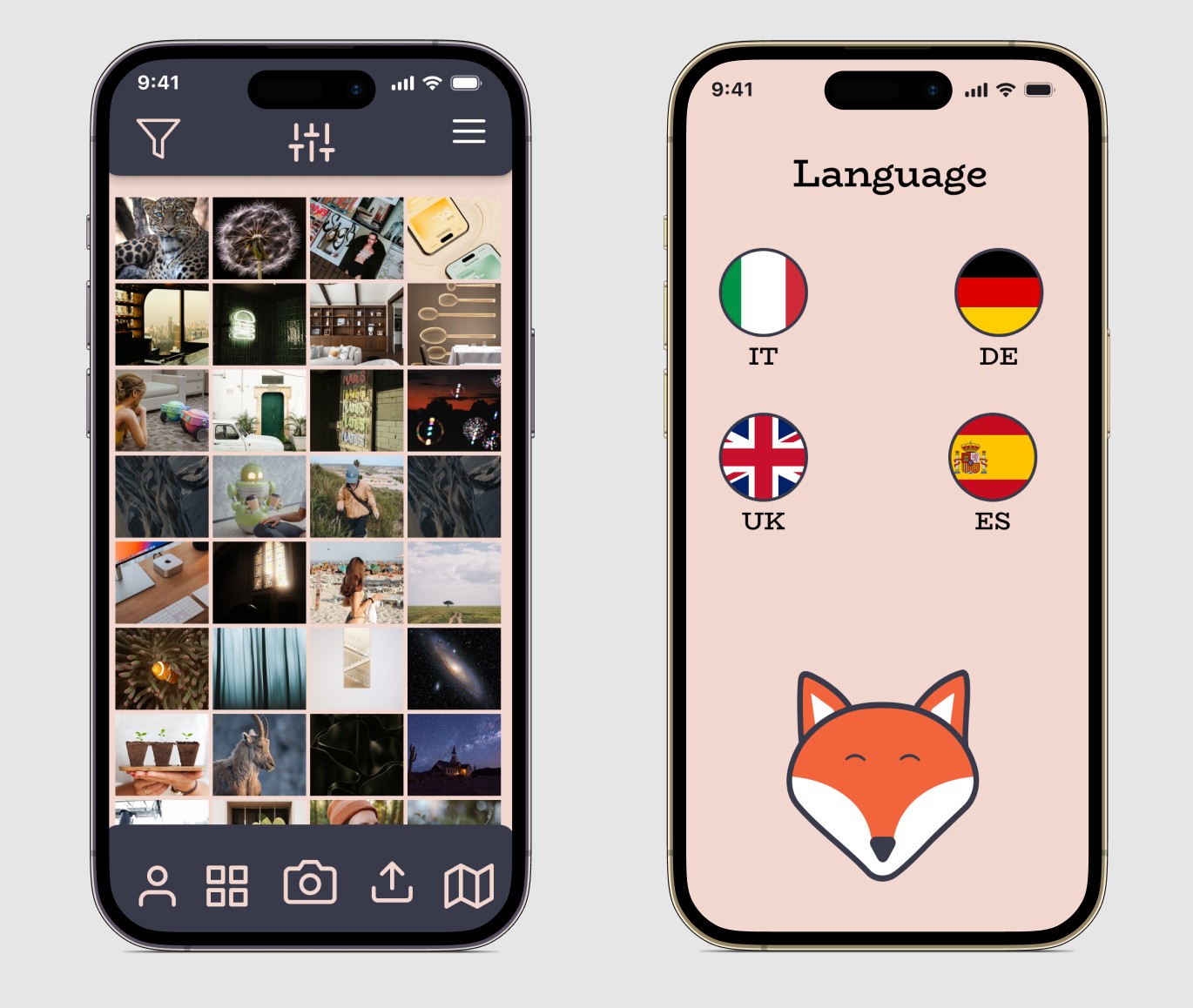
Accessibility is non-negotiable. The app must work equally well for a 24-year-old design student and a 68-year-old retired technician. Large icons, readable text and an intuitive flow are essential, not optional extras.
Visibility motivates action. Users are more likely to report issues when they can see that others have done the same and that these issues have actually been resolved. Transparency drives engagement.
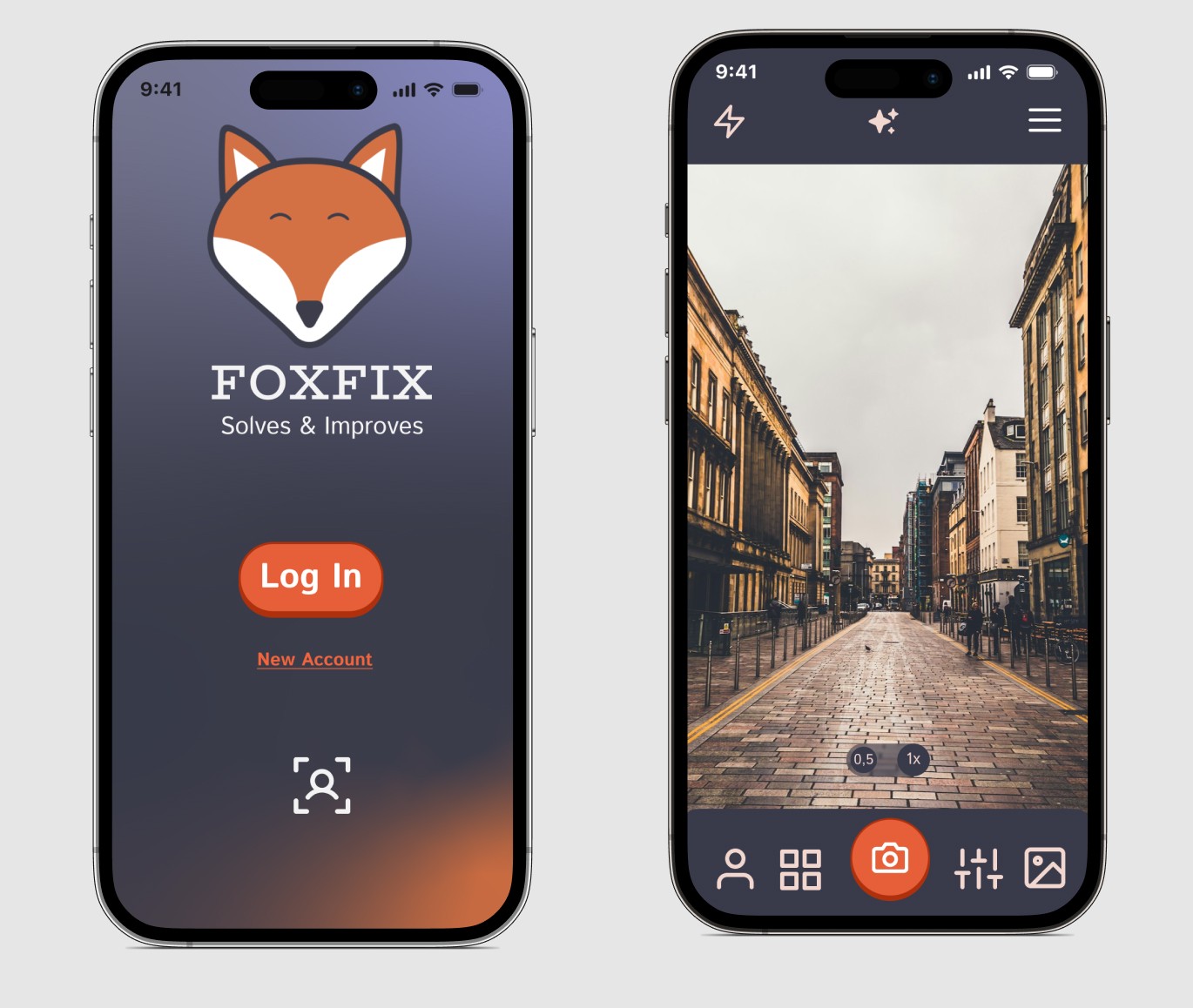
The camera is the interface. For most users, the ideal interaction is to open the app, take a photo and send it. Everything else, such as location, category suggestion and confirmation, should be automatic.
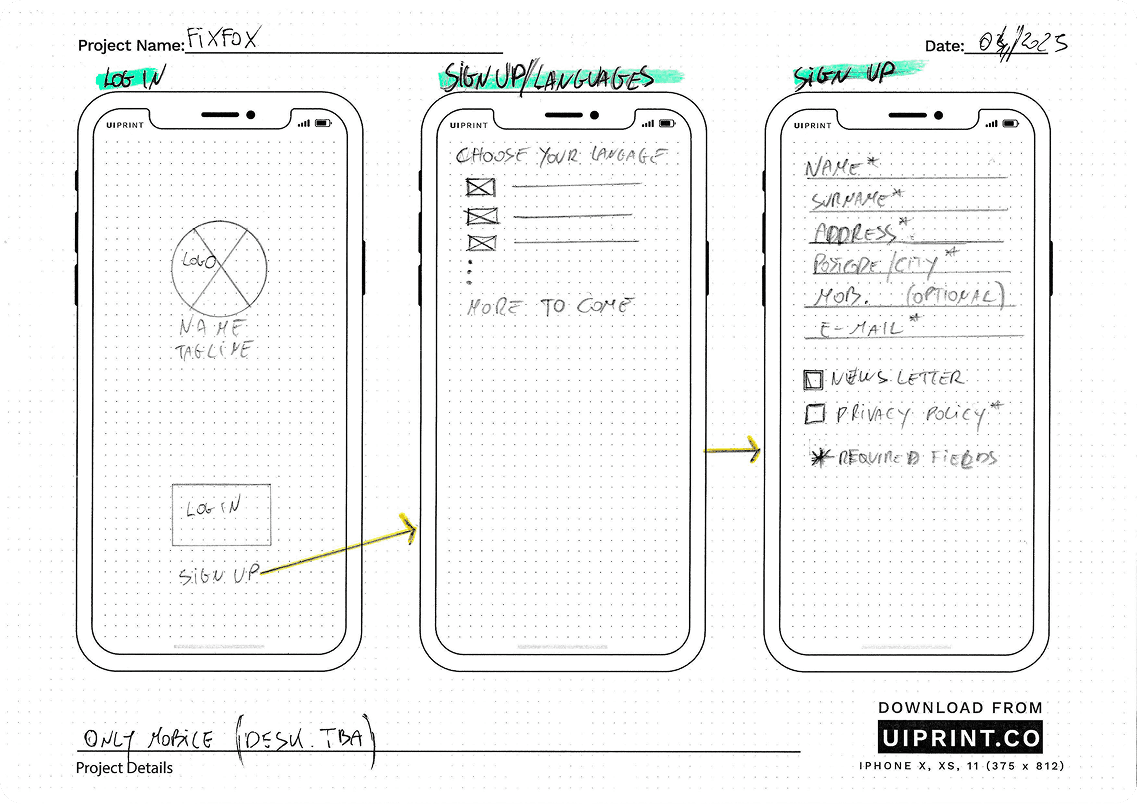
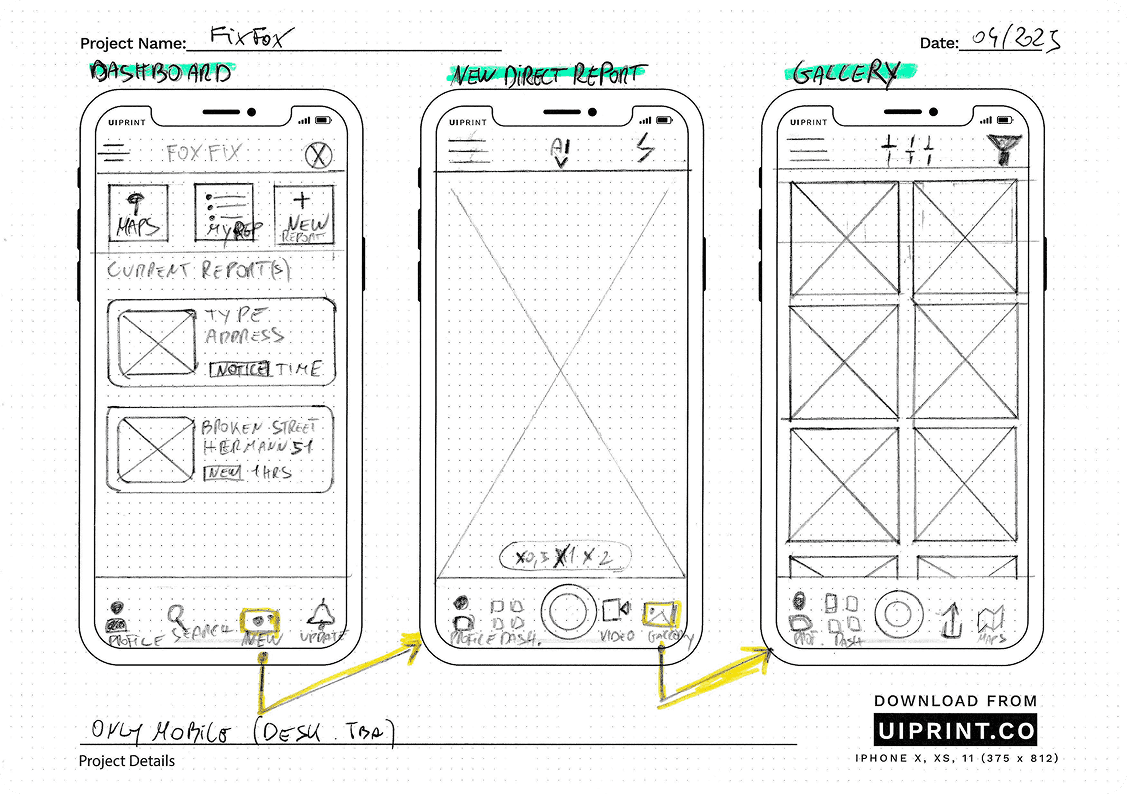
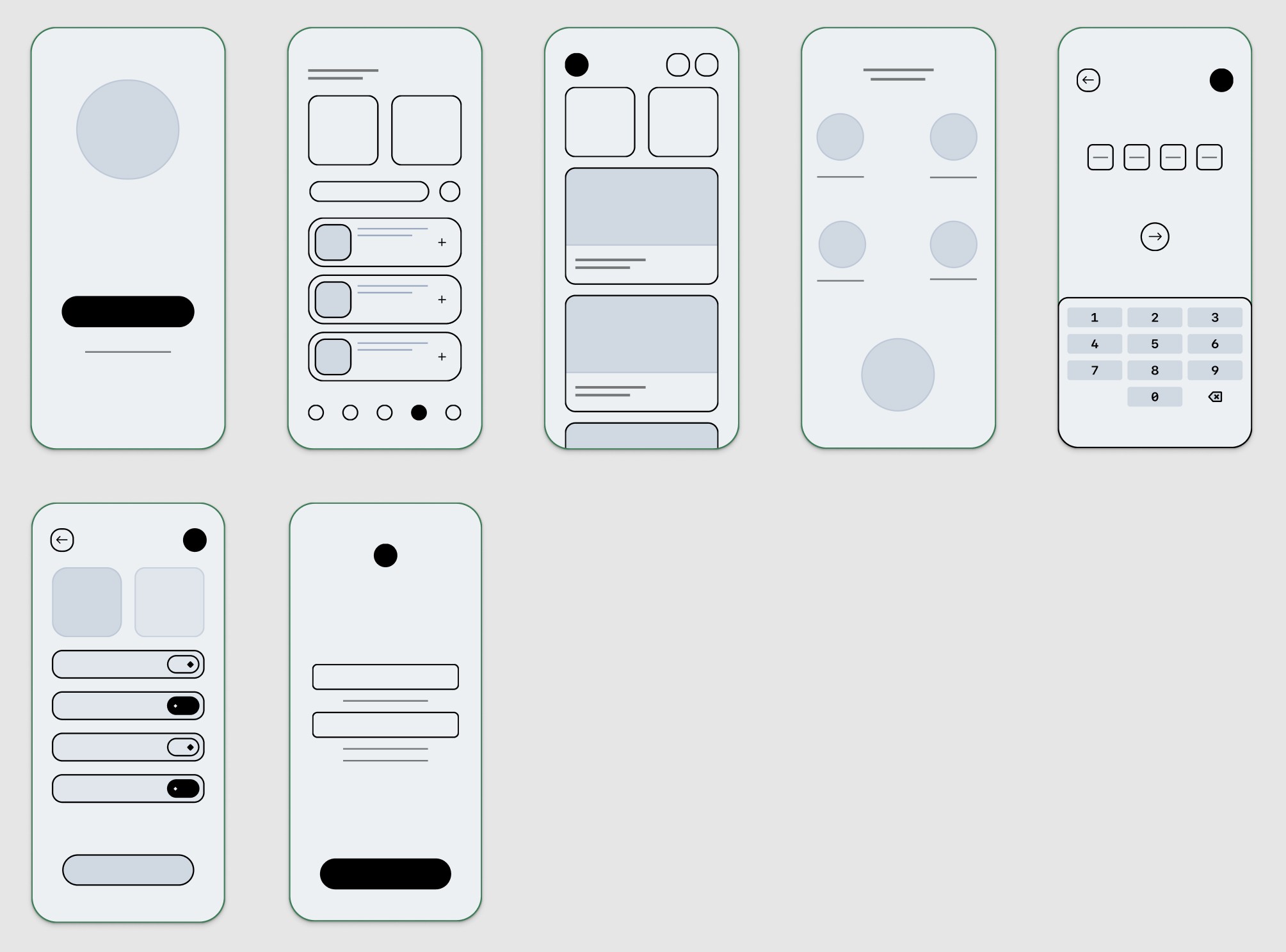
The design was built on a solid component system — atoms, molecules, and a comprehensive style guide covering typography, colour tokens, iconography, and interaction states — from lo-fi sketches to fully developed hi-fi wireframes. The final UI combines a bold, confident dark colour scheme with a warm orange accent to keep the experience energetic and on-brand.
FoxFix is where civic responsibility meets smart design — it's a tool that makes it easy to care about the place you live in.
FoxFix is where civic responsibility meets smart design — it's a tool that makes it easy to care about the place you live in.