Daro
Role
Designer
Duration
6 Month
Year
2023
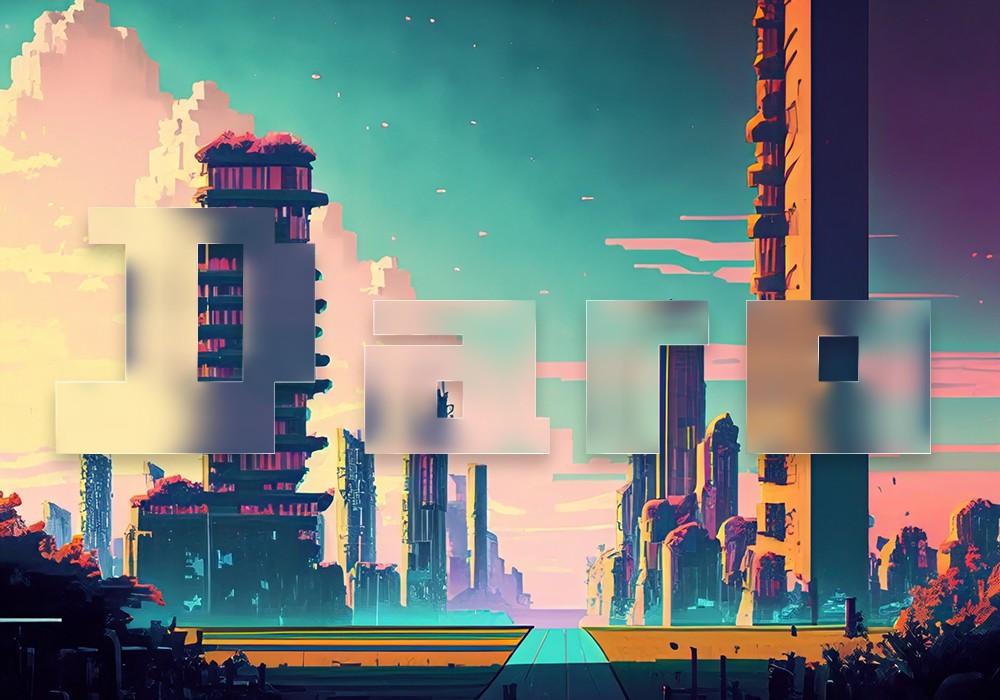
Daro is a sans-serif font. Its name is a combination of two words. "Digital" and "Taro." In Japanese culture, the name "Taro" is given to the eldest son, and it is hoped that, as time goes on, Daro will become the first of many new typographic projects. Daro has been designed to evoke the nostalgia of a bygone digital era and technology, which has resurfaced due to the renewed interest in 8-bit games and the technology of the 1990s. Daro is a striking sans-serif display typeface that embodies the essence of cyberpunk aesthetics, digital technology, and the nostalgic resurgence of 8-bit gaming. Daro is a typeface designed to captivate the viewer with its futuristic yet retro arm. It is a versatile font that seamlessly bridges the gap between the digital age and the neonlit streets of cyberpunk cities, with a unique touch.
Languages: IT-DE-FR-EN-ES
Weights: 5+Variable
Styles: 10
File Format: .ttf .woff .woff2
Here free download to test :)
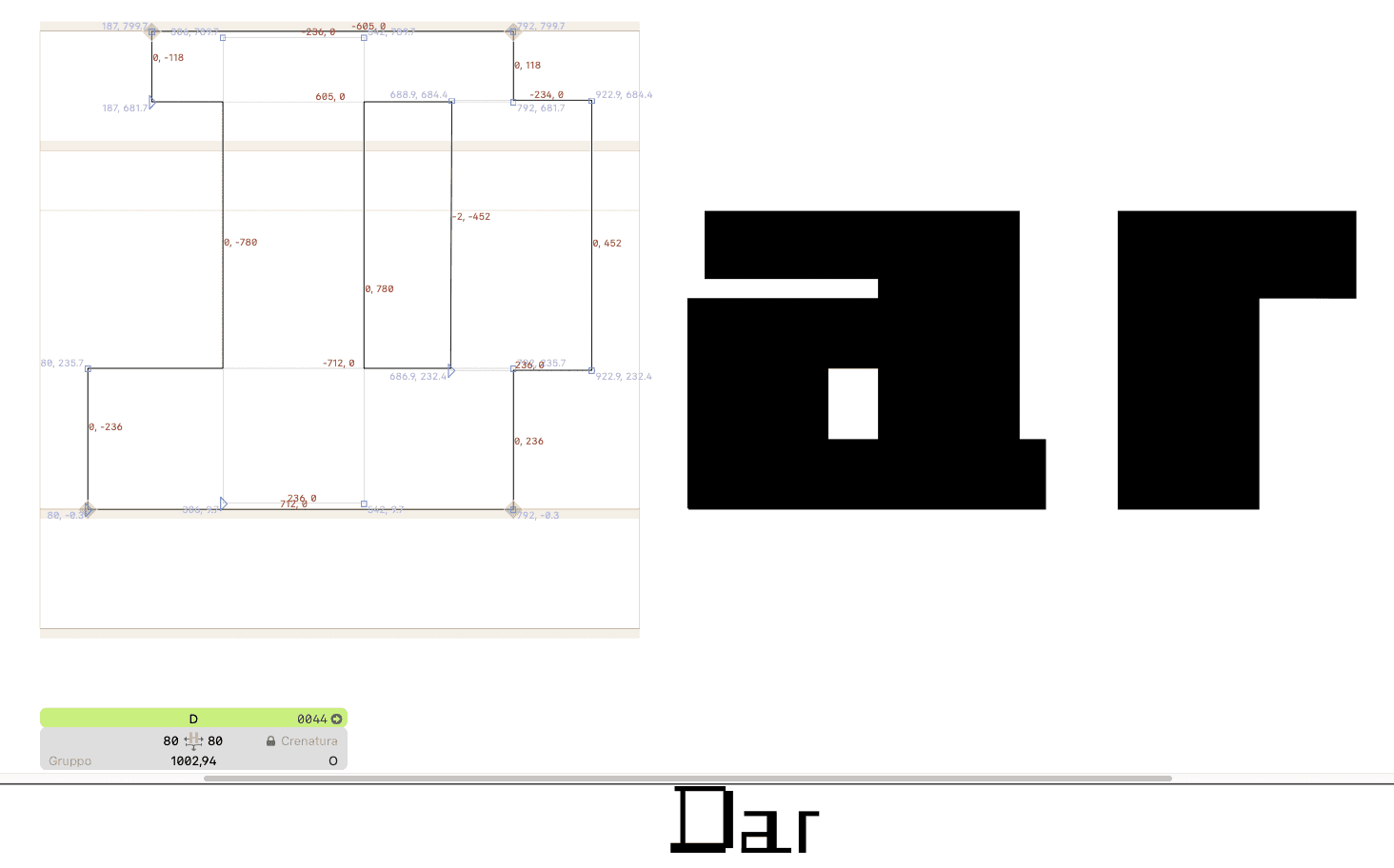
Thirsty empty tunnel angry alive wait question loudly eye leader true local openly visitor motion. Classroom home popular team clever thirteen clear, case key completely: available surface cook.
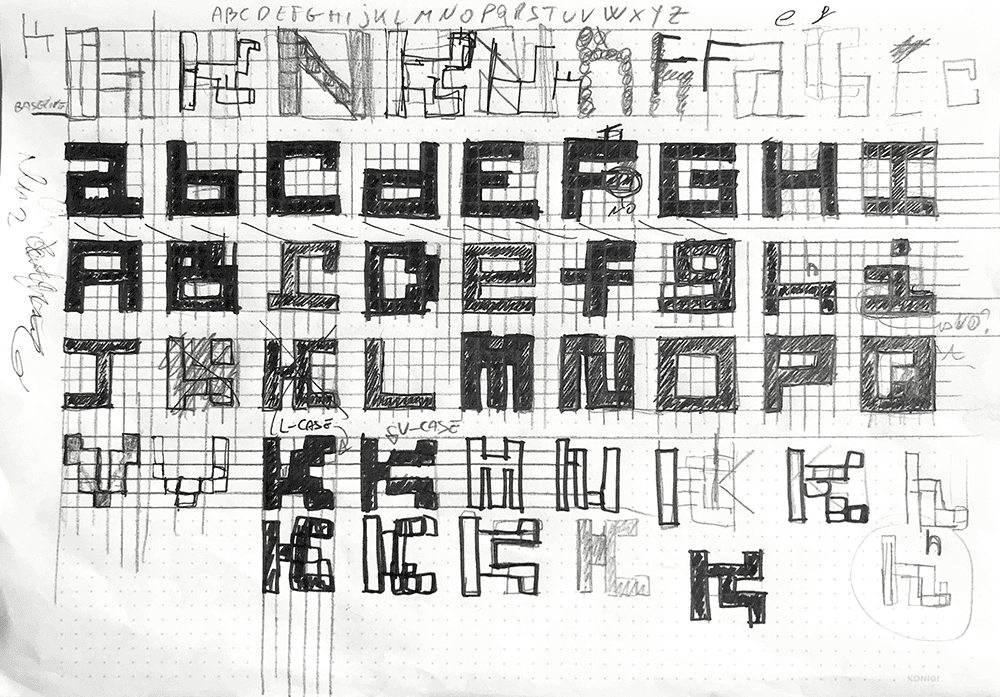
The concept for Daro was inspired by the Epps Evans typeface. This typeface was originally commissioned in 1968 by Christopher Evans, an experimental psychologist whose research explored the potential relationships between computer operations and the processes of the human mind, for Timothy Epps, a graphic design student.
Epps was briefed to develop a typeface that could be recognised by both machines and humans. The design was to be based on a square and a line, eliminating curves and diagonals to make scanning for optical character recognition as easy as possible using the cathode ray tube technology of the time.
The Epps Evans typeface is widely regarded as one of the most minimalist alphabets ever devised. The use of a single case – a combination of capitals and lower-case letters – ensures that most letters and numbers are unambiguous and easy to recognise. This character set is also visually harmonious.
The Epps Evans specimen was never intended for release as a typeface, but was published in 1969 as one of Pieter Brattinga's Kwadraatbladen editions. This was a response to the typeface designed a year earlier by Wim Crouwel for his New Alphabet. As with the New Alphabet, the Epps Evans typeface was not a proposal for practical implementation, but rather an imaginative experiment that speculated on the potential of human/machine interfaces and computational communications. Its reduced forms are reminiscent of the dignity of square Kufic glyphs from the Arabic calligraphy tradition, while subtly foreshadowing the bitmap type of the 1980s digital era.
Quote from The Visual History of Type by Paul McNeil
More projects